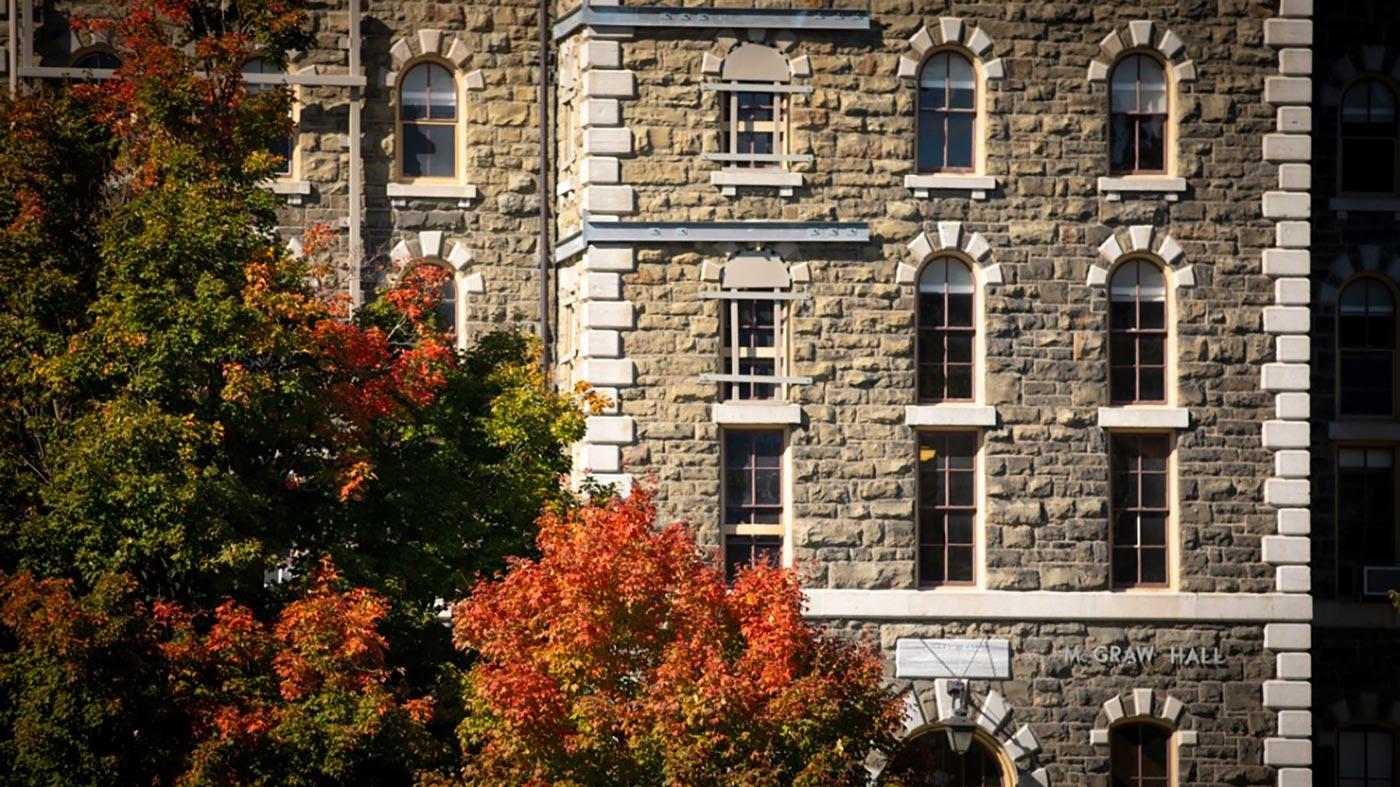
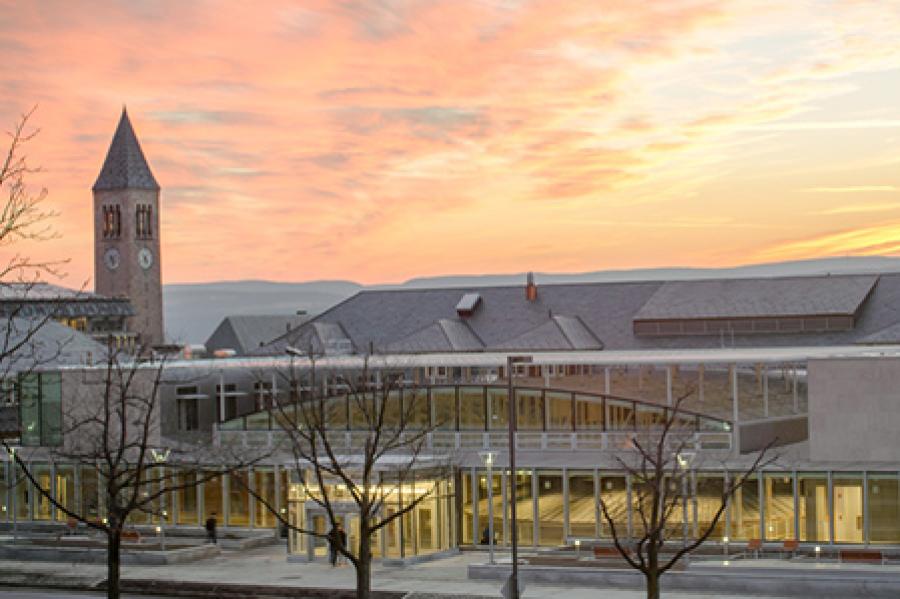
The Department of History thrives on its close relationship with many other departments, centers and area studies programs in the humanities and social sciences at Cornell. The faculty includes more than a dozen prize-winning authors as well as winners of Cornell’s prestigious teaching and advising awards.
CLASS 2689 Roman History (also HIST 2689) (HA-AG), (HST-AS) (HIST-HEU, HIST-HPE) Monday, Wednesday, Friday: 10:10-11:00 Professor Eric Rebillard This course offers an introduction to the history of the Roman empire, from the prehistoric settlements on the site of Rome in the mid-eighth century BCE to the fall of the Western empire in the fifth century…
Cornell University’s “Unmasking the CCP” lecture series will feature talks by former U.S. Ambassador Michael McFaul Oct. 23 and historian Frank Dikötter Oct. 27 on democracy, communism and China’s international role. The events are hosted by the College of Arts & Sciences.
HIST 2727 The Queer Middle East (also NES 2727, MEDVL 2727, RELST 2727) (HST-AS, SCD-AS) (HIST-HGS) Tuesday and Thursday: 2:55-4:10 Professors Jonny Lawrence and Paraska Tolan-Szkilnik What does it mean to be queer in the Middle East? How do queer Muslims and Arabs navigate their sexuality around contemporary legal barriers to same-sex sexual intercourse and…
Cornell’s Society for the Humanities marked its 60th anniversary Sept. 18-19 with events celebrating six decades of humanities research and collaboration. Based in the College of Arts & Sciences, the Society has hosted more than 800 fellows.
HIST 4685 Early Modern Universities (also STS 4685) (ALC-AS, HST-AS) (HIST-HEU, HIST-HPE) Wednesday: 11:15-1:45 plus Independent Research Dr. Eleanor Webb This course focuses on one of early modern Europe’s most influential and contentious institutions: the university. Universities were central pillars of premodern European society and played host to some of the period’s most consequential debates…
HIST 4116 The Scientific Revolution (also BSOC 4116, STS 4116) (HST-AS) (HIST-HPE, HIST-HEU) Thursday: 2:00-4:30 plus Independent Research Professor Jeremy Schneider This seminar investigates the period of the so-called “scientific revolution.” As a foundational narrative of modernity, the scientific revolution posits a radical break from a medieval past, best exemplified through the emergence of the…
HIST 3980 The Pacific Horizon: Oceania, Asia, and the Americas (also AAS 3980, ASIAN 3980) (ALC-AS, HST-AS) (HIST-HTR) Tuesday and Thursday: 2:55-4:10 plus discussion Professors Raymond Craib and Eric Tagliacozzo The Pacific Horizon is a long one; it stretches from Chile west across the world's largest ocean to places such as Australia and Japan, and…
Barry Strauss, College of Arts & Sciences professor emeritus at Cornell University, received the 2026 Hattendorf Prize from the U.S. Naval War College for lifetime achievements in military history research and writing. The biennial award was presented Sept. 9, and Strauss delivered a lecture on sea power’s modern lessons from ancient Greece and Rome.