Tuesday
04:45 PM
Red Dawn over China: How Communism Conquered a Quarter of Humanity
Location: Rockefeller Hall, 201 - Schwartz Auditorium
 Department Homepage
The College of Arts & Sciences
Department Homepage
The College of Arts & Sciences
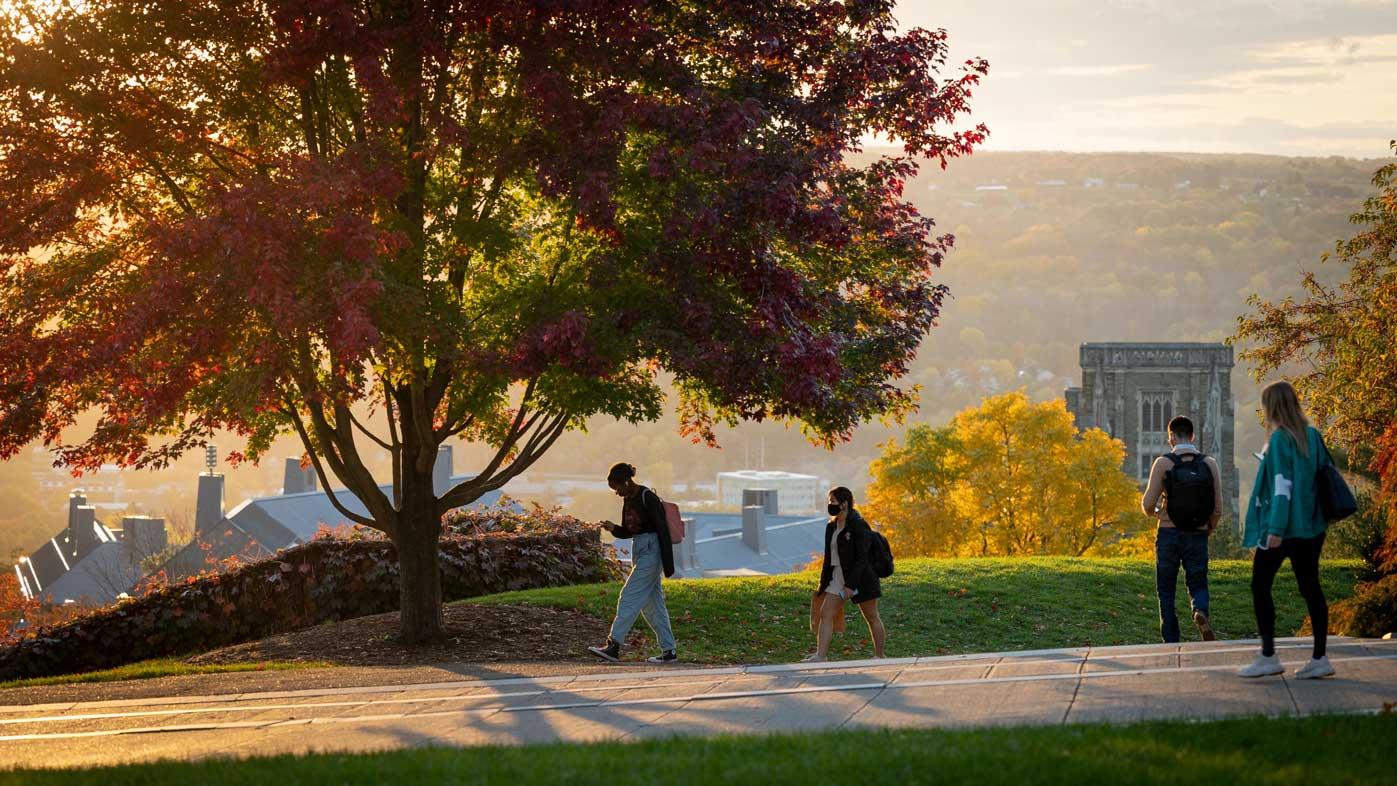
The Department of History thrives on its close relationship with many other departments, centers and area studies programs in the humanities and social sciences at Cornell. The faculty includes more than a dozen prize-winning authors as well as winners of Cornell’s prestigious teaching and advising awards.
Location: Rockefeller Hall, 201 - Schwartz Auditorium

In classes, research and through the new Cornell Center on Democracy, faculty are collaborating to study democratic declines, as well as strategies for strengthening the republic we still have. Cornell’s role in strengthening democracy is broad – faculty research guides democracies throughout the world, alumni serve in top government and public service positions, public engagement efforts boost community and policy organizations and, perhaps most importantly, students on campus are gaining the knowledge and communication skills they’ll need to move democracy forward.

Cornell University’s “Unmasking the CCP” lecture series will feature talks by former U.S. Ambassador Michael McFaul Oct. 23 and historian Frank Dikötter Oct. 27 on democracy, communism and China’s international role. The events are hosted by the College of Arts & Sciences.
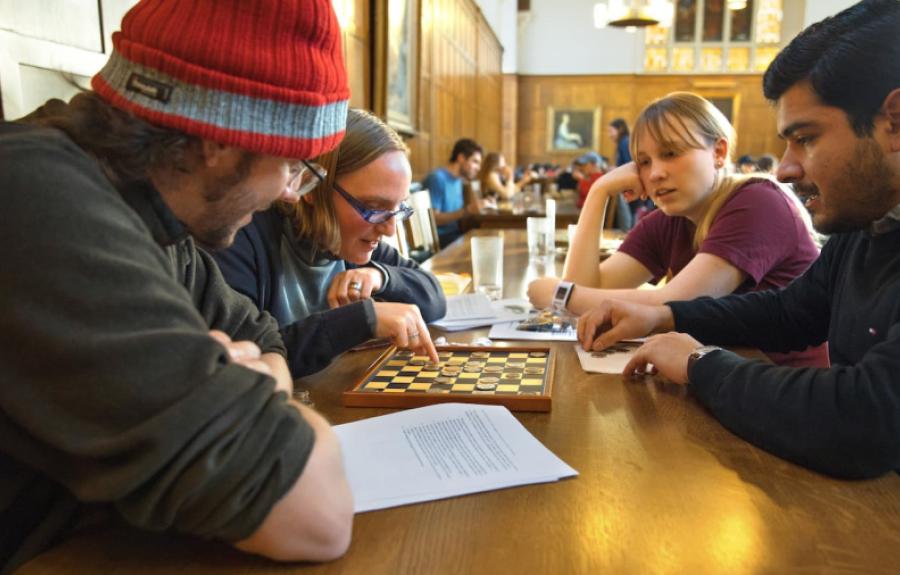
History is valuable as preparation for graduate, professional, or law school and for any career that requires critical thinking and good writing; the reputation of the faculty for scholarship, teaching, and advising; and most of all, the intrinsic interest of the discipline.
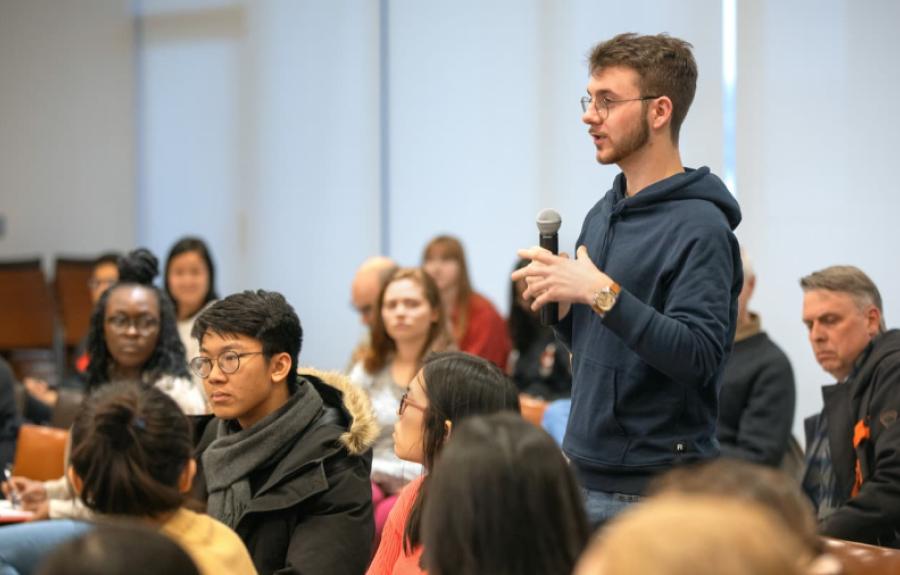
Cornell's Department of History has a topnotch faculty covering a wide range time periods, geographic regions and methodologies. As a student in our program, you will also be able to work with members of the wider Graduate Field of History, which includes scholars whose main appointment is in other colleges and programs at Cornell but who are able to supervise dissertations of Ph.D. students in History.

Connections through history
The Cornell Public History Initiative (CPHI) works to stimulate and deepen dialogue among undergraduate and graduate students, faculty, staff, and their wider communities about the sedimented histories that shape our contemporary world.